
Lake Mburo National Park and Queen Elizabeth National Park are two of Uganda’s most important wildlife conservation areas and are among the country’s most popular safari destinations. Located in western Uganda, these parks offer visitors a rich combination of wildlife, scenic landscapes, birdlife, cultural experiences, and outdoor adventure. They are often visited together as part of a western Uganda safari circuit because of their accessibility and the diversity of attractions they offer.
Lake Mburo National Park, situated between Kampala and Mbarara, is Uganda’s smallest savannah national park, covering approximately 370 square kilometers. The park is characterized by rolling hills, acacia woodlands, open grasslands, wetlands, and several lakes, with Lake Mburo forming the centerpiece of the ecosystem. It is particularly famous for its large populations of zebras, impalas, elands, buffaloes, giraffes, and numerous bird species. Unlike many other parks in Uganda, Lake Mburo offers guided walking safaris, horseback safaris, cycling tours, and boat cruises, allowing visitors to experience wildlife from different perspectives. Its peaceful atmosphere and beautiful scenery make it an ideal introduction to Uganda’s wildlife heritage.
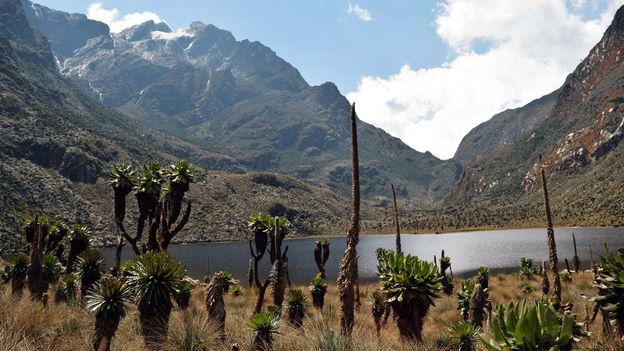
Further southwest lies Queen Elizabeth National Park, located primarily in Kasese District at the foot of the spectacular Rwenzori Mountains. Covering nearly 1,978 square kilometers, it is Uganda’s most visited national park and one of the most biologically diverse protected areas in Africa. The park contains a variety of habitats including savannah plains, forests, wetlands, crater lakes, and lakeshores, which support approximately 95 mammal species and more than 600 bird species. Wildlife commonly seen includes elephants, buffaloes, lions, leopards, hippos, crocodiles, and several antelope species.
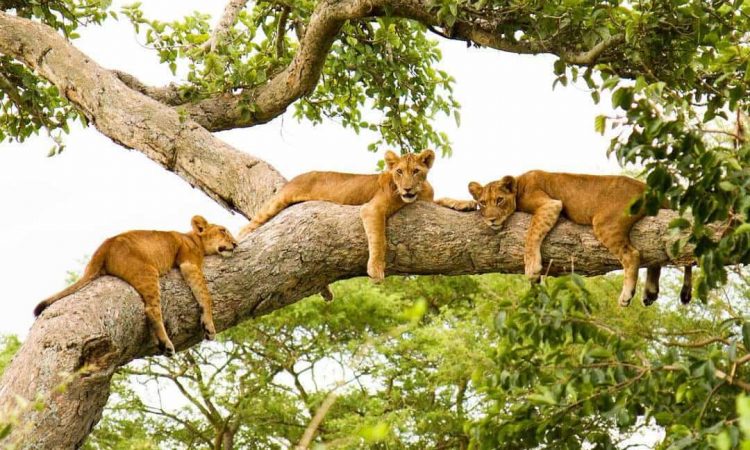
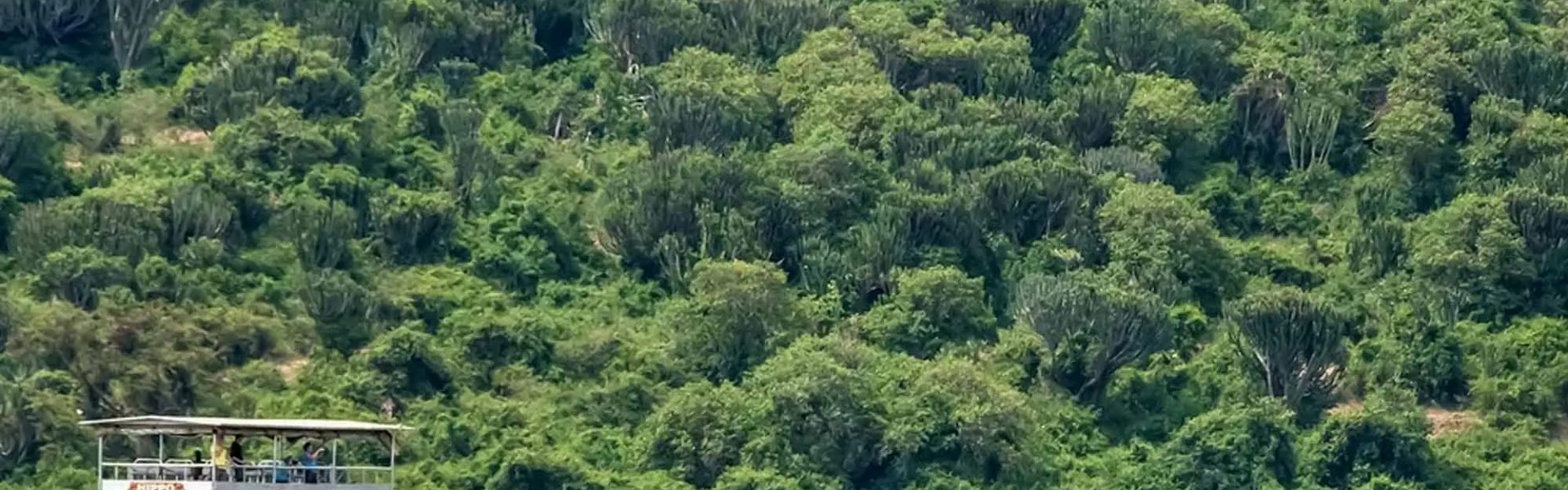
One of the highlights of Queen Elizabeth National Park is the famous Kazinga Channel, a natural waterway linking Lake George and Lake Edward. Boat cruises along the channel provide exceptional opportunities to observe hippos, crocodiles, elephants, buffaloes, and a wide variety of water birds at close range. Another major attraction is the Ishasha Sector, renowned worldwide for its rare tree-climbing lions, which are often seen resting in large fig trees. Visitors can also enjoy chimpanzee tracking in Kyambura Gorge, game drives across the Kasenyi Plains, crater lake tours, and cultural visits to local communities around Katwe Salt Lake.
Together, Lake Mburo National Park and Queen Elizabeth National Park offer a complete safari experience that showcases Uganda’s incredible natural beauty and biodiversity. While Lake Mburo is known for its tranquil landscapes, walking safaris, and abundance of herbivores, Queen Elizabeth National Park provides a classic African safari experience with large mammals, predators, boat cruises, chimpanzee tracking, and dramatic scenery. Combining the two destinations allows visitors to experience a wide range of ecosystems, wildlife encounters, and cultural attractions, making them an essential part of any western Uganda safari itinerary.
A safari to Lake Mburo National Park and Queen Elizabeth National Park offers an excellent opportunity to experience Uganda’s diverse wildlife, stunning landscapes, and rich biodiversity. Lake Mburo National Park is renowned for its large populations of zebras, impalas, elands, and hippos, while Queen Elizabeth National Park is Uganda’s most popular savannah park, famous for elephants, lions, buffaloes, leopards, and the spectacular boat cruise along the Kazinga Channel. This safari combines game drives, a boat safari, and opportunities to encounter wildlife in their natural habitat while enjoying the scenic beauty of western Uganda.